Author name: Saurabh Kumar

History & Legacy

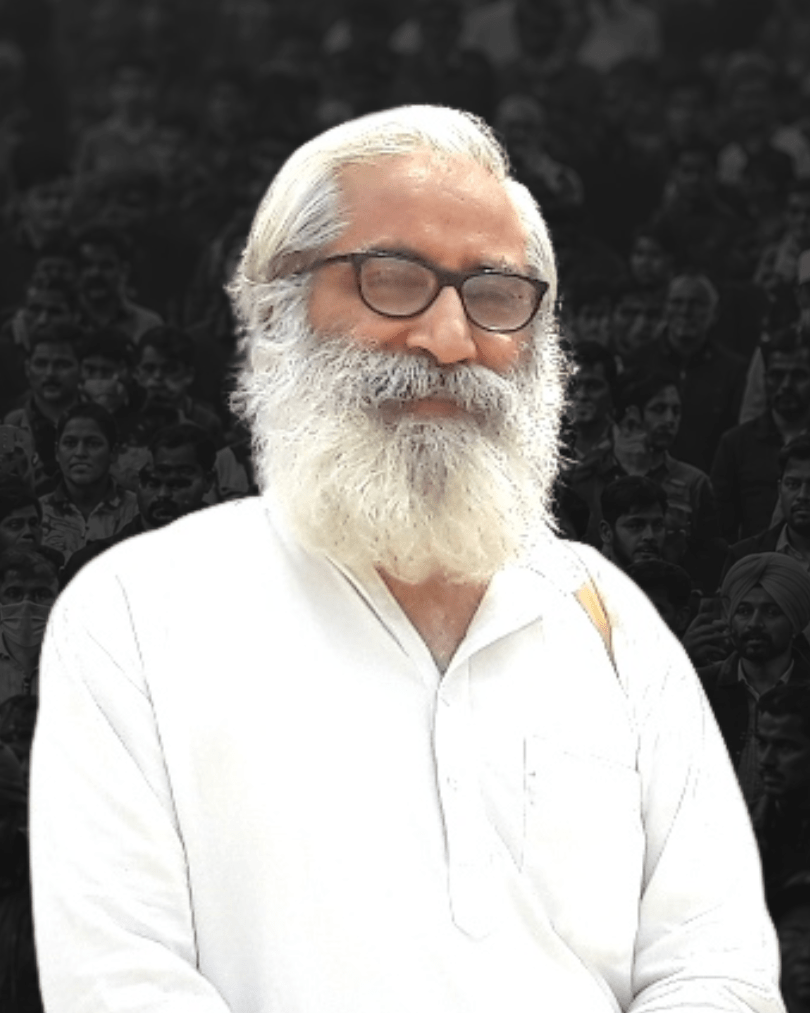
Sandeep Pandey

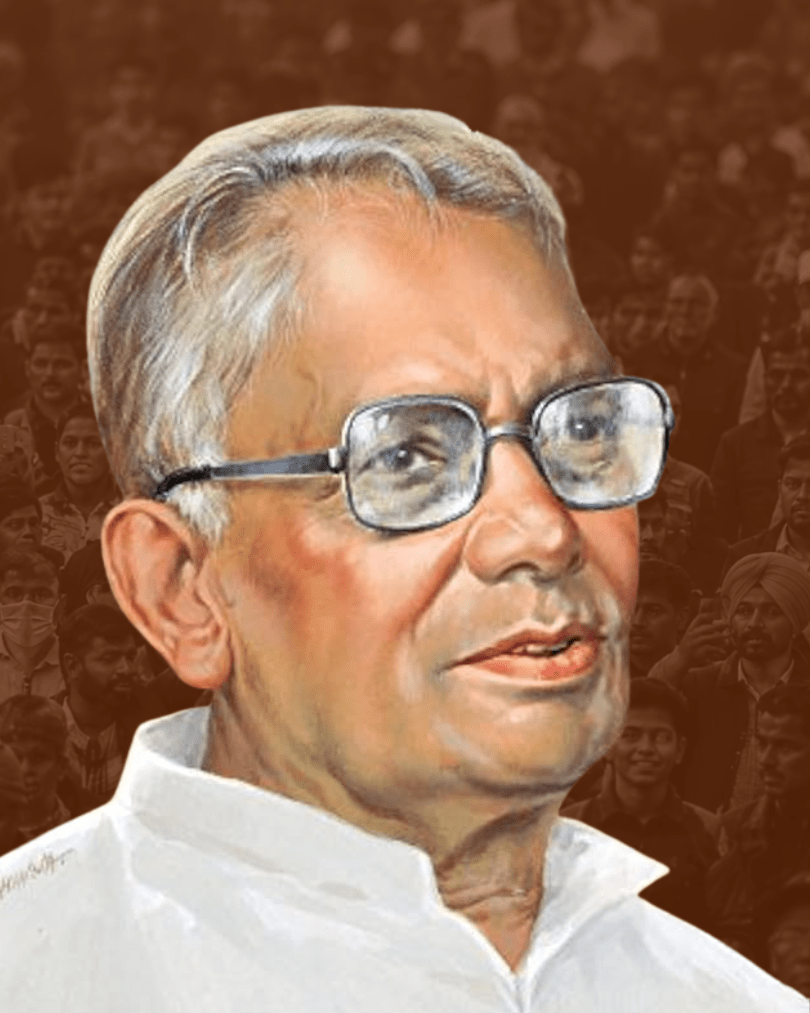
Sandeep Pandey Biography: Social Activist, Educationist, and Ramon Magsaysay Award Winner Sandeep Pandey (born 22 July 1965) is an Indian social activist, educationist, and peace campaigner. He is widely recognized for his work in promoting quality education, human rights, social justice, and grassroots development. In 2002, he received the prestigious Ramon Magsaysay Award for his outstanding contribution to community leadership and education. Early Life Sandeep Pandey was born on 22 July 1965 in Uttar Pradesh, India. He pursued engineering and later earned higher education in the United States. Despite having opportunities for a successful career abroad, he chose to return to India and dedicate his life to social service and public welfare. Career and Social Work Sandeep Pandey co-founded the Asha for Education movement, a volunteer-driven organization that supports the education of underprivileged children across India. Through this initiative, he has helped improve access to quality education, especially in rural and marginalized communities. Apart from education, he has actively worked on issues such as peace, environmental protection, human rights, and democratic values. He has participated in several campaigns promoting equality, non-violence, and sustainable development. Awards and Recognition In 2002, Sandeep Pandey was honored with the Ramon Magsaysay Award, often regarded as Asia’s Nobel Prize, for his leadership in promoting education and social empowerment. His work has earned widespread respect both in India and internationally. Legacy Sandeep Pandey continues to inspire young people through his commitment to education, social justice, and peaceful activism. His efforts have positively impacted thousands of lives and strengthened the role of civil society in India’s development. Conclusion Sandeep Pandey is a dedicated social reformer whose work in education and human rights has made a lasting impact on Indian society. His vision of equal opportunities, justice, and quality education continues to inspire people to work for a more inclusive and compassionate nation.
History & Legacy

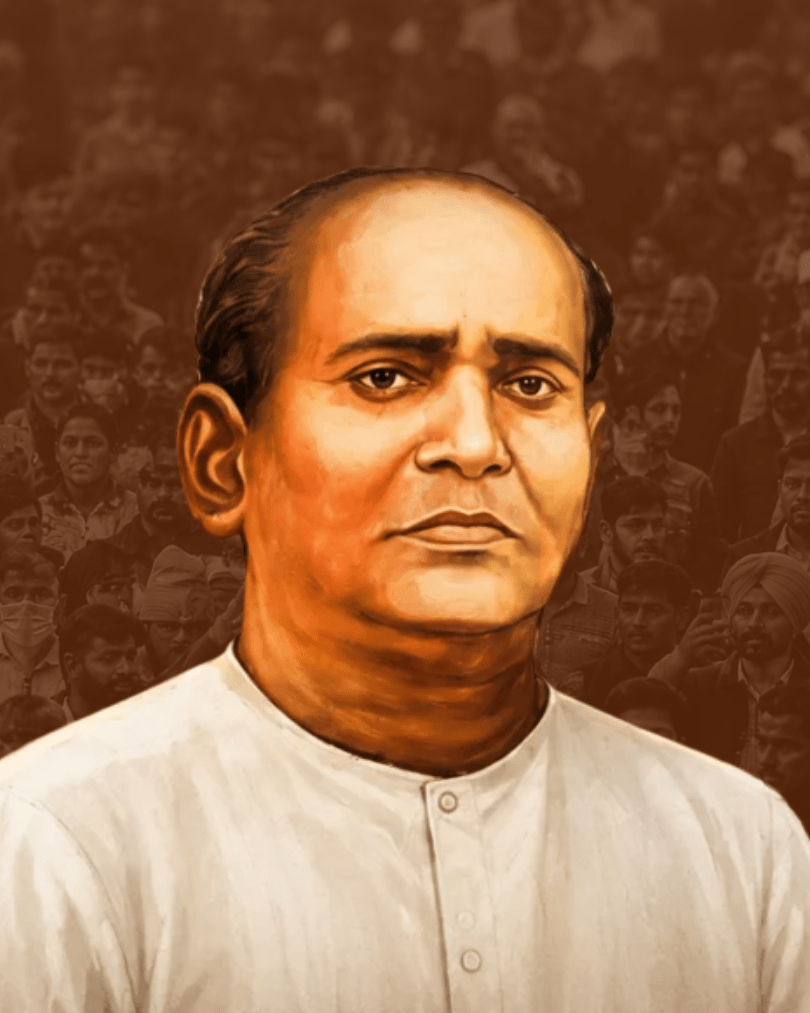
Jayaprakash Narayan

Jayaprakash Narayan Biography: The Champion of Total Revolution Jayaprakash Narayan (11 October 1902 – 8 October 1979), popularly known as JP or Lok Nayak, was one of India’s most respected freedom fighters, social reformers, and political leaders. He played a significant role in India’s independence movement and later became the leader of the “Total Revolution” movement, which called for social, political, and economic reforms. Early Life Jayaprakash Narayan was born on 11 October 1902 in Sitabdiara village, located on the border of present-day Bihar and Uttar Pradesh, India. He completed his early education in Bihar and later traveled to the United States, where he studied political science, sociology, and economics while supporting himself through various jobs. Role in the Freedom Movement After returning to India, Jayaprakash Narayan joined the Indian National Congress and became an active participant in the freedom struggle led by Mahatma Gandhi. He played an important role in the Civil Disobedience Movement and the Quit India Movement of 1942. During the freedom struggle, he was imprisoned several times by the British government for his revolutionary activities. Total Revolution Movement In the 1970s, Jayaprakash Narayan launched the “Total Revolution” movement, advocating peaceful reforms in politics, education, economy, and society. His leadership inspired millions of people to fight against corruption, authoritarianism, and injustice through democratic means. He became one of the strongest voices for protecting democracy in India. Legacy Jayaprakash Narayan is remembered as a symbol of honesty, selfless leadership, and democratic values. He received the Bharat Ratna, India’s highest civilian award, posthumously in 1999. His ideals continue to inspire leaders, students, and citizens committed to justice and good governance. Conclusion Jayaprakash Narayan dedicated his life to India’s freedom, democracy, and social justice. His vision of a corruption-free and democratic society remains relevant today. He will always be remembered as “Lok Nayak,” a leader who devoted his life to the service of the nation.

History & Legacy

Kedarnath Singh

Kedarnath Singh Biography: Eminent Hindi Poet and Jnanpith Award Winner Kedarnath Singh (7 July 1934 – 19 March 2018) was one of the most influential Hindi poets of modern India. Known for his simple yet profound style, he beautifully portrayed rural life, nature, human emotions, and social realities through his poetry. His literary excellence earned him the prestigious Jnanpith Award, India’s highest literary honor. Early Life Kedarnath Singh was born on 7 July 1934 in Chakia village, Ballia district, Uttar Pradesh, India. He completed his early education in his hometown and later pursued higher studies at Banaras Hindu University (BHU), where he earned a Master’s degree and a Ph.D. in Hindi literature. His rural upbringing had a lasting influence on his poetry. Literary Career Kedarnath Singh began writing poetry at a young age and soon became a leading voice in modern Hindi literature. His poems are admired for their clarity, emotional depth, and vivid imagery. He wrote about everyday life, relationships, nature, and the changing social landscape of India in a language that was both accessible and meaningful. Some of his most celebrated poetry collections include Abhi Bilkul Abhi, Zameen Pak Rahi Hai, Akaal Mein Saras, Yahan Se Dekho, and Bagh. He also served as a professor of Hindi literature at Jawaharlal Nehru University (JNU), New Delhi. Awards and Legacy In 2013, Kedarnath Singh was honored with the Jnanpith Award for his outstanding contribution to Hindi literature. He also received the Sahitya Akademi Award and several other prestigious literary honors. His poetry continues to inspire readers, writers, and scholars across India. Conclusion Kedarnath Singh remains one of the greatest modern Hindi poets whose works reflect the beauty of ordinary life and the richness of Indian culture. His literary contributions have left an enduring impact on Hindi literature, ensuring that his poetry will continue to inspire future generations.

History & Legacy

Hazari Prasad Dwivedi

Hazari Prasad Dwivedi Biography: Renowned Hindi Scholar and Literary Critic Hazari Prasad Dwivedi (19 August 1907 – 19 May 1979) was one of the most respected Hindi writers, scholars, historians, and literary critics of modern India. He made remarkable contributions to Hindi literature through his novels, essays, research, and critical studies. His writings on Indian culture, medieval literature, and the Bhakti movement earned him a distinguished place in Indian literary history. Early Life Hazari Prasad Dwivedi was born on 19 August 1907 in Dubey Ka Chhapra village, Ballia district, Uttar Pradesh, India. He was born into a family of Sanskrit scholars, which inspired his interest in literature, philosophy, and Indian culture from an early age. He received a traditional education in Sanskrit and later became an accomplished scholar. Career and Literary Contributions Dwivedi served as a professor at Visva-Bharati University, founded by Rabindranath Tagore, where he gained recognition as an outstanding teacher and researcher. His works explored Indian history, religion, philosophy, and literature with remarkable depth and clarity. Some of his most famous works include Banabhatta Ki Atmakatha, Anamdas Ka Potha, Kabir, Hindi Sahitya Ki Bhumika, and Ashok Ke Phool. His writings played a significant role in promoting Hindi literature and preserving India’s rich cultural heritage. Awards and Legacy Hazari Prasad Dwivedi received several prestigious honors for his contributions to literature, including the Padma Bhushan, one of India’s highest civilian awards. His scholarly works continue to be studied in universities across India and remain valuable resources for students and researchers of Hindi literature. Conclusion Hazari Prasad Dwivedi was a visionary scholar whose writings enriched Hindi literature and deepened the understanding of Indian culture and history. His dedication to education, research, and literary excellence has left a lasting legacy, making him one of the greatest literary figures in modern India.

Chandra Shekhar
History & Legacy, Political Leaders

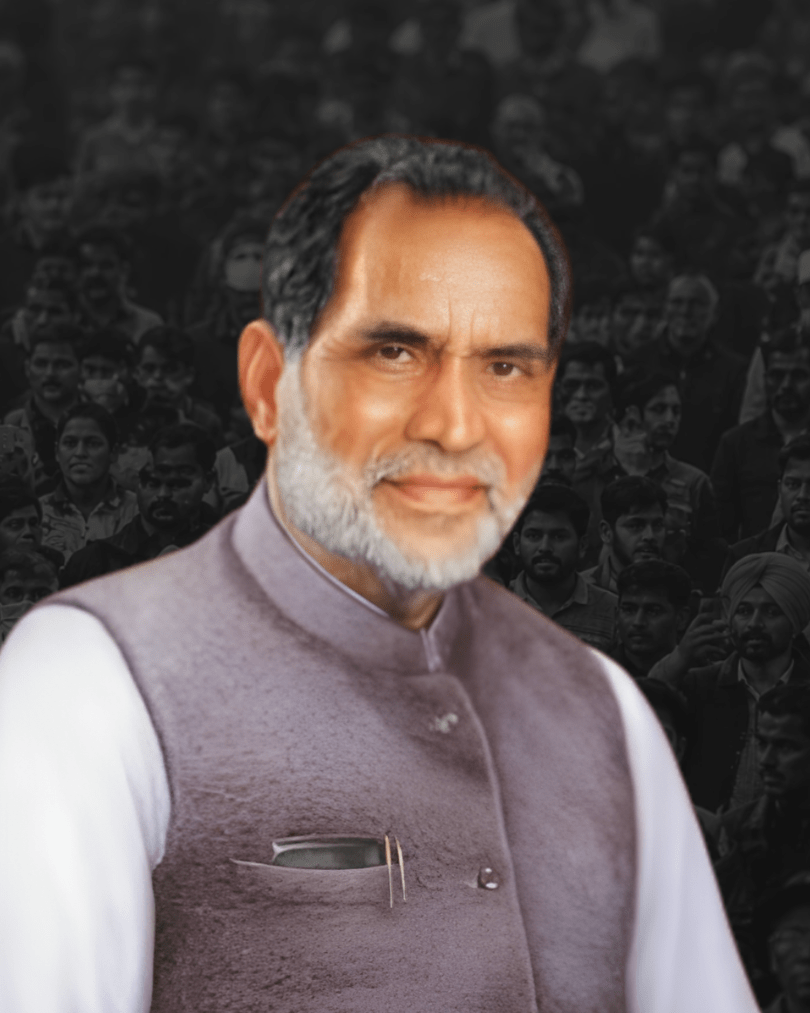
Chandra Shekhar

Biography: The Fearless Revolutionary of India Chandra Shekhar Azad (23 July 1906 – 27 February 1931) was one of India’s greatest revolutionary freedom fighters. He is remembered for his courage, patriotism, and determination to free India from British rule. Azad was a key member of the Hindustan Socialist Republican Association (HSRA) and inspired countless young revolutionaries through his fearless actions. Early Life Chandra Shekhar Azad was born on 23 July 1906 in Bhabra village, present-day Alirajpur district, Madhya Pradesh, India. His father was Sitaram Tiwari, and his mother was Jagrani Devi. During his childhood, he developed a strong sense of patriotism and actively participated in the Non-Cooperation Movement led by Mahatma Gandhi. Role in the Freedom Movement After the withdrawal of the Non-Cooperation Movement, Azad joined revolutionary activities against British rule. He became a leading member of the Hindustan Socialist Republican Association (HSRA) alongside Bhagat Singh, Ram Prasad Bismil, and other revolutionaries. He participated in several revolutionary missions, including the Kakori Train Action and efforts to challenge British authority through armed resistance. Azad believed that India could achieve independence only through courage, sacrifice, and determination. He trained young revolutionaries and remained one of the most wanted freedom fighters by the British government. Death and Legacy On 27 February 1931, Chandra Shekhar Azad was surrounded by British police at Alfred Park in Allahabad (now Prayagraj). After a fierce gunfight, he used his last bullet on himself rather than surrender, keeping his promise that he would never be captured alive. His sacrifice made him a legendary figure in India’s freedom struggle. Parks, schools, roads, and institutions have been named in his honor, and his life continues to inspire generations of Indians. Conclusion Chandra Shekhar Azad remains one of the bravest revolutionaries in Indian history. His fearless spirit, unwavering patriotism, and ultimate sacrifice played a vital role in inspiring the fight for India’s independence. He will always be remembered as a symbol of courage and freedom.

Chittu Pandey
History & Legacy, Political Leaders

Chittu Pandey

Chittu Pandey Biography: The Lion of Ballia Chittu Pandey (10 May 1865 – 6 December 1946) was a prominent Indian freedom fighter and political leader who played a significant role in India’s struggle for independence. Popularly known as the “Lion of Ballia” and the “Sher-e-Ballia,” he became famous for establishing an independent national government in Ballia, Uttar Pradesh, during the Quit India Movement of 1942. Early Life Chittu Pandey was born on 10 May 1865 in Rattuchak village of Ballia district, present-day Uttar Pradesh, India. He belonged to a respected family and was deeply influenced by the ideas of nationalism and social justice. From an early age, he actively participated in movements against British rule. Role in the Indian Freedom Movement Chittu Pandey was an active member of the Indian National Congress and strongly supported Mahatma Gandhi’s vision of non-violent resistance. He participated in several freedom movements, including the Non-Cooperation Movement, Civil Disobedience Movement, and Quit India Movement. In August 1942, during the Quit India Movement, the people of Ballia rose against British rule under Chittu Pandey’s leadership. The British administration temporarily collapsed, and an independent national government was formed in Ballia. Because of this remarkable achievement, Chittu Pandey became known as the “Lion of Ballia.” Legacy Although the British soon regained control of Ballia, Chittu Pandey’s courageous leadership became a symbol of patriotism and resistance. His contribution inspired countless Indians to continue the struggle for independence. Today, he is remembered as one of the most respected freedom fighters from Uttar Pradesh. Conclusion Chittu Pandey dedicated his life to India’s freedom struggle and demonstrated extraordinary courage during the Quit India Movement. His leadership in establishing a temporary independent government in Ballia remains a historic milestone in India’s fight against colonial rule. He continues to be remembered as a true patriot and national hero.

Mangal Pandey
History & Legacy

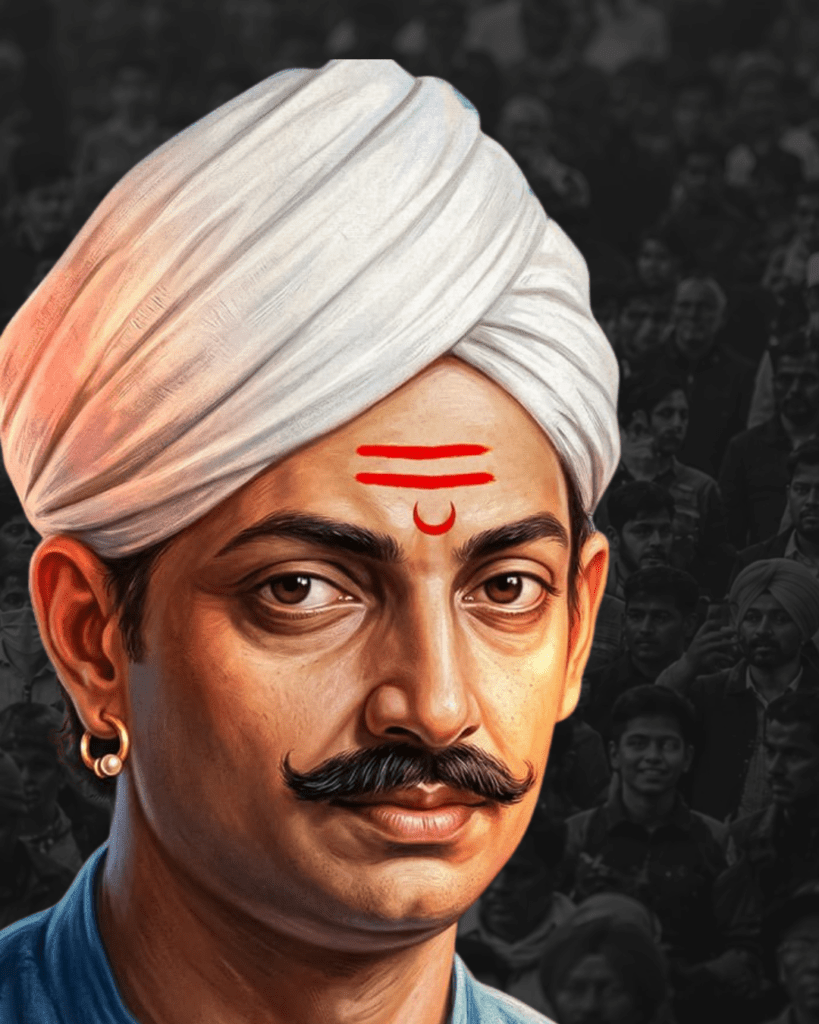
Mangal Pandey

Mangal Pandey Biography: The Hero Who Sparked the Revolt of 1857 Mangal Pandey (19 July 1827 – 8 April 1857) was one of India’s earliest and most celebrated freedom fighters. He is widely remembered as the man who ignited the Indian Rebellion of 1857, also known as the First War of Indian Independence. His bravery and sacrifice inspired thousands of Indians to stand against British colonial rule. Early Life Mangal Pandey was born on 19 July 1827 in Nagwa village, Ballia district, present-day Uttar Pradesh, India. He belonged to a Brahmin family and grew up with strong cultural and religious values. As a young man, he joined the British East India Company’s army and served in the 34th Bengal Native Infantry. Role in the Revolt of 1857 During the 1850s, dissatisfaction among Indian soldiers increased because of unfair treatment, low salaries, and discrimination. The introduction of the new Enfield rifle cartridges created widespread anger, as they were rumored to be greased with cow and pig fat, offending both Hindu and Muslim religious beliefs. On 29 March 1857, Mangal Pandey openly rebelled against British officers at the Barrackpore military cantonment. His courageous act became the first major spark of the Revolt of 1857 and encouraged soldiers across India to challenge British authority. Arrest and Execution After the rebellion, Mangal Pandey was arrested by British authorities. He was tried by a military court and sentenced to death. On 8 April 1857, he was executed at Barrackpore. Although his life ended at a young age, his sacrifice became a powerful symbol of India’s struggle for independence. Legacy Mangal Pandey is remembered as one of the greatest heroes of India’s freedom movement. His courage inspired generations of revolutionaries who continued the fight for independence until India became free in 1947. Schools, roads, parks, and memorials have been named in his honor, and his life has been portrayed in books, documentaries, and films. Conclusion Mangal Pandey’s fearless stand against British rule marked the beginning of a new chapter in India’s history. His patriotism, courage, and sacrifice continue to inspire people across the nation. He will always be remembered as a pioneer of India’s freedom struggle and a true national hero.

BALLIA SWABHIMAN MANCH

Discover Ballia through its history, heritage, inspiring personalities, culture, and the stories that continue to shape its identity.

EXPLORE BALLIA

Stories, people, places and moments that celebrate the history, culture and evolving identity of Ballia.

© 2026 Ballia Swabhiman Manch. All Rights Reserved.

Scroll to Top